Temporary Food Storage and Prep Trailer Lease for Commercial Sites
Plan temporary commercial food preparation and storage capacity for a managed site, with kitchen and refrigeration facilities selected to match workflow and temperature needs.
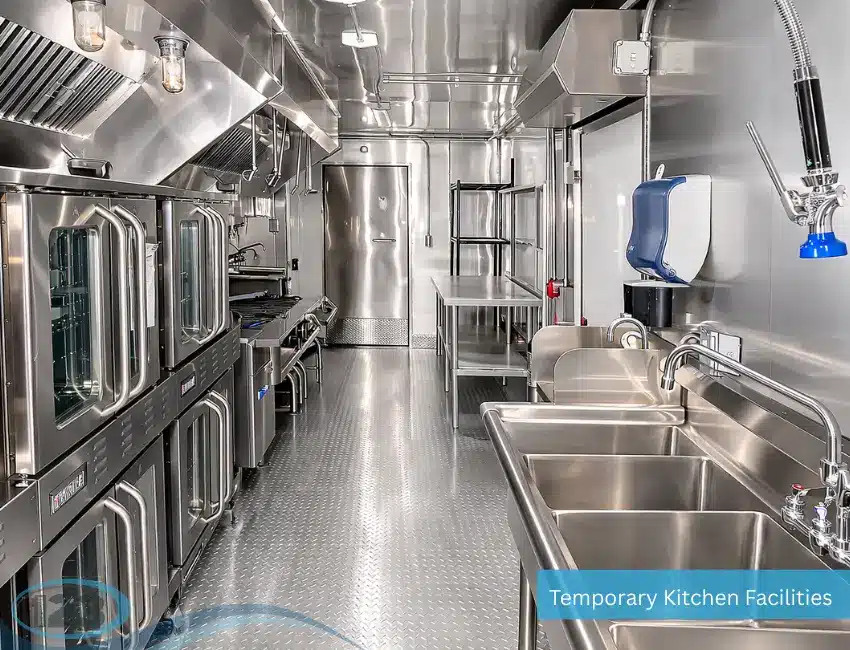
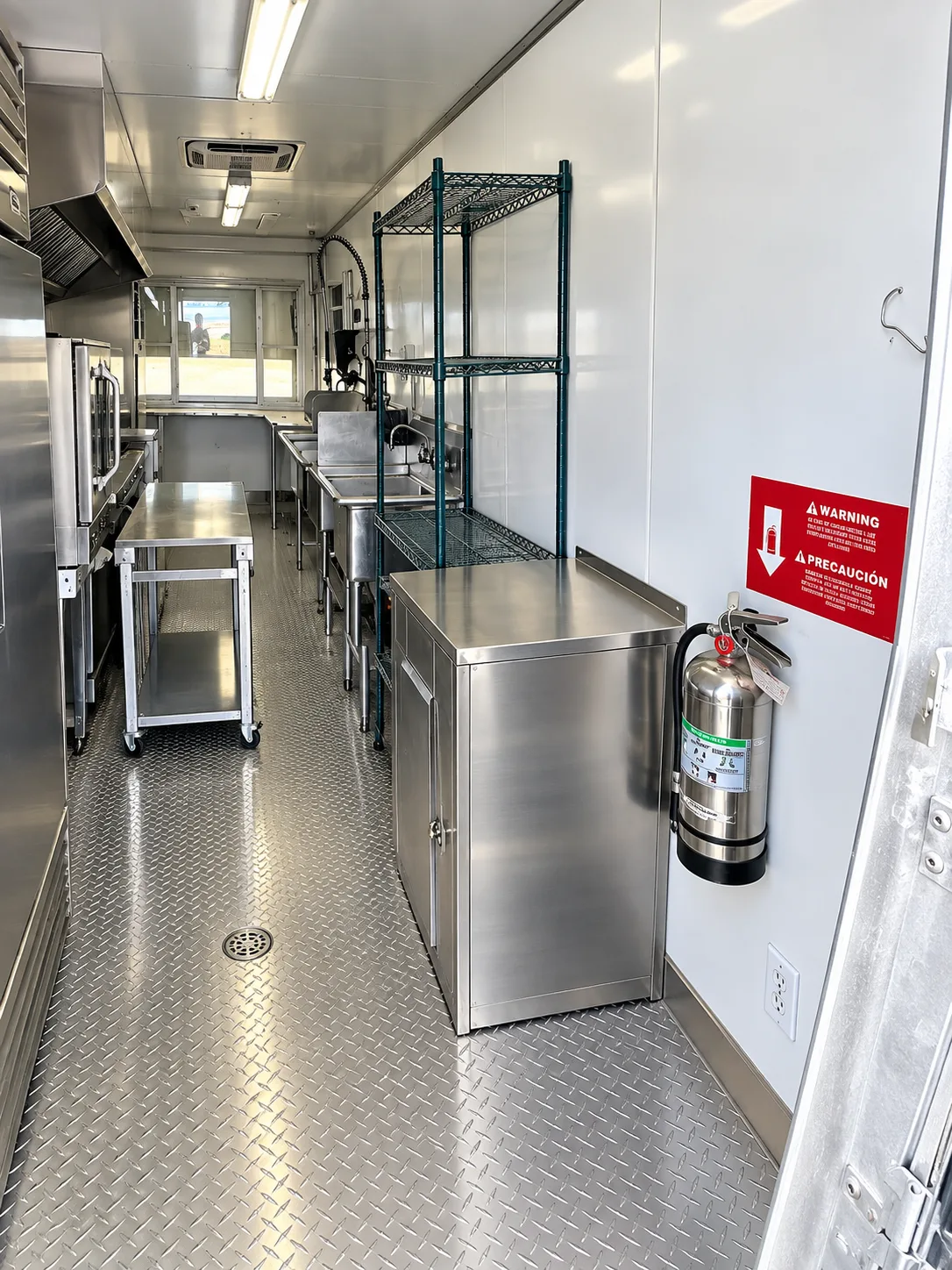
Plan a commercial mobile kitchen trailer rental
Create temporary commercial food preparation capacity for a managed project, institutional or workforce site.
Food preparation and cold storage can require separate facilities. Confirm menu, production volume, required temperatures, loading pattern, power, water, drainage and monitoring before equipment is selected.
Available kitchen trailer configurations may include 38-foot units and smaller 8- to 30-foot options. Final equipment, capacity and dimensions require quote-stage confirmation.
Information to confirm before selection.
Use the published page as a planning reference. The final unit, dimensions, capacity, utilities and rental terms are confirmed for the actual project.
Preparation volume and food workflow
Include this detail in the project brief before equipment and logistics are confirmed.
Cold-storage temperature and loading needs
Include this detail in the project brief before equipment and logistics are confirmed.
Power, water, drainage and monitoring
Include this detail in the project brief before equipment and logistics are confirmed.
Rental dates and exact location
Include this detail in the project brief before equipment and logistics are confirmed.
Make the site ready for the selected unit.
Equipment selection is only one part of the rental. Delivery access, placement, utilities and operating flow have to work together.
Delivery route
Confirm gate width, turning room, overhead clearance and a safe path to the final placement area.
Placement area
Verify the level surface, working clearances, pedestrian separation and service access required by the selected facility.
Utilities
Document power, water, drainage, fuel, communications and connection distances that apply to this configuration.
Operating start
Allow time for delivery, positioning, connection, inspection and setup before the facility must be operational.
Confirm this configuration against the actual site.
Share the location, dates, operating need, utilities and delivery constraints so the team can confirm the next step.